For decades, Nigeria has been the cradle of musical innovation in Africa, birthing legends whose voices and rhythms travelled far beyond the continent. Today, a new generation of Afrobeats and indigenous artists is carrying that legacy into uncharted territory, redefining global sound with bold creativity, street-rooted authenticity, and cultural pride.
What sets this new wave apart is its unapologetic embrace of indigenous languages, rhythms, and storytelling. While Afrobeat heavyweights like Fela Kuti and, more recently, Burna Boy, Wizkid, and Davido opened the door to international recognition; younger artists are now blending their roots with global trends in ways that feel both fresh and deeply Nigerian.
From Lagos to London, from Port Harcourt to Paris, indigenous voices are crossing borders. Street anthems laced with Yoruba, Igbo, Hausa, and Pidgin English are going viral on TikTok, climbing Spotify charts, and inspiring dance moves from Harlem to Havana. The world is no longer just listening to Afrobeats it’s moving to its beat, learning its slang, and adopting its fashion.
Behind the catchy rhythms lies something bigger: cultural preservation. In a world where mainstream pop often swallows up local identity, Nigeria’s new stars are proving that authenticity sells. Their success shows that you don’t have to dilute your sound to appeal to international audiences. Instead, by staying true to one’s cultural DNA, the music resonates more deeply, even across oceans.
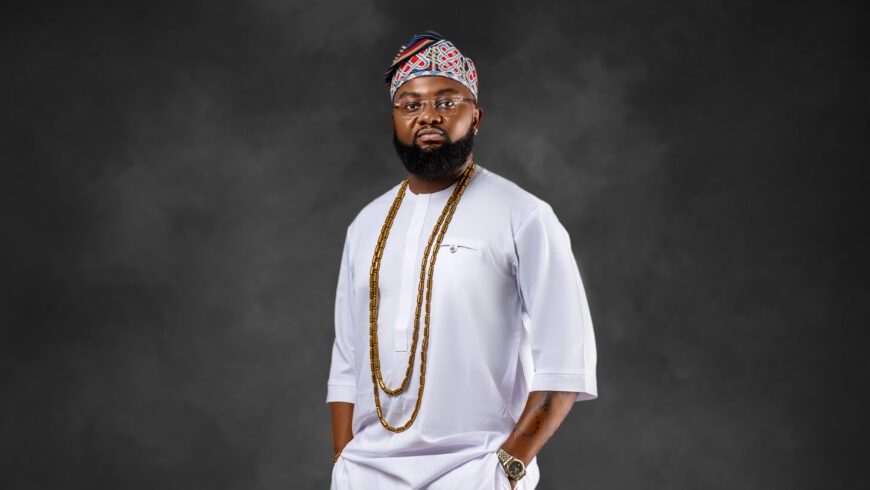
Industry leaders also recognize this shift. According to Ubah Dare, popularly known as Dre Cesar, a music executive, talent manager, and founder of Dre Cesar Management Company, the rise of indigenous artists is reshaping not just playlists but the entire business of music. His experience over the years in the music and entertainment industry has earned him the spot as one of the top fast-rising management executives. Over time, he has worked with a wide range of musical talents including CDQ, Davido, Small Doctor, Reminisce, Wande Coal, BadBoyTimz, Skiibii, Savage, Ohla, Jah Bless, 9ice, Singah, Jaywillz, Xbusta, and Lynox, to mention a few.
In recent times, his company successfully collaborated with international label Warner Music UK as a content creator and supplier in West Africa on a talent-based project. Reflecting on this cultural shift, Dre Cesar notes:
“This new wave is proof that the streets and our cultural roots are the real engine of Afrobeats’ global power. As talent managers, our role is to nurture that authenticity and make sure it connects with the world without losing its soul.”
The global appetite for indigenous Afrobeats also highlights Nigeria’s growing influence as a cultural exporter. Music once confined to local parties and radio stations is now central to global playlists, fashion trends, and even Hollywood soundtracks.
This shift is not only elevating individual careers but also cementing Nigeria’s status as a powerhouse of creativity.
As the new wave gathers momentum, one thing is clear: Afrobeats and indigenous artistry are not just a passing trend. They represent a revolution a re-balancing of the global music industry that puts Africa at its center.
From grassroots street sounds to Grammy-winning stages, Nigeria’s artists are rewriting the rules of global pop culture. The world is listening, and Nigeria’s new wave is leading the sound.