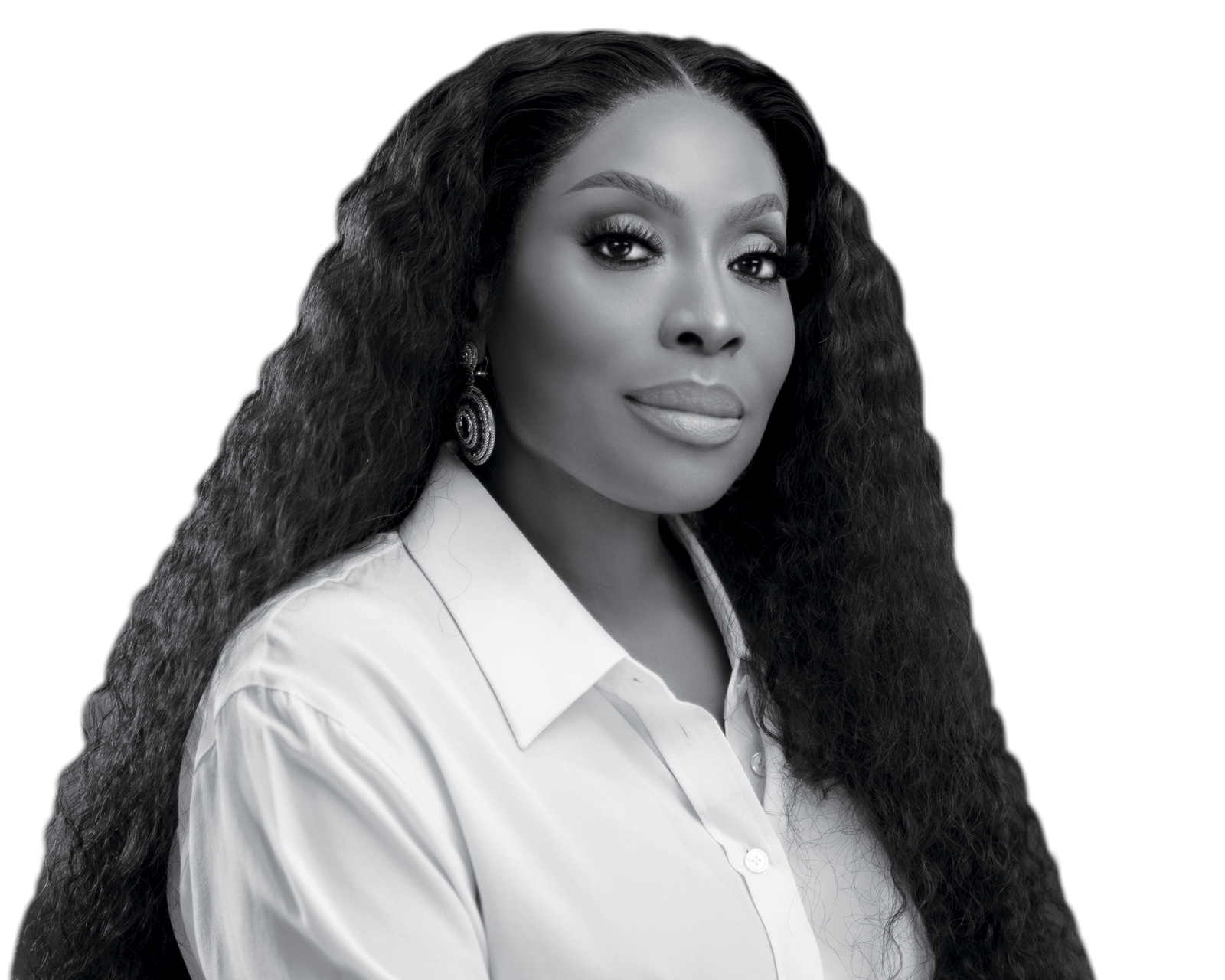
On 8 October, EbonyLife Place London opens its doors on Wandsworth Road. For many, it will be a new hub for film, food, art, culture, and entertainment. However, for me, it symbolises something bigger: the potential of a Nigerian concept meeting London’s real estate, Nigerian enterprise merging with British infrastructure, and the African diaspora choosing to leave a lasting impact on the city.
My involvement began around 2024 when Nigerian media entrepreneur and EbonyLife founder Mo Abudu approached me with a simple request: could I help find a theatre in London? It seemed like a straightforward task. But it wasn’t. The vision was to establish a permanent home for African and Caribbean storytelling in London – a place where film, culture, food, creativity, and community could flourish together. However, there was also a practical gap to fill.
Despite London’s incredibly diverse African and Caribbean communities, there had been no dedicated, consistent destination where audiences could reliably experience Nigerian, African, and Caribbean films as part of a dedicated cinema programme. The challenge was finding a building that could accommodate this ambitious vision.
Within about three months, the Daniel Ford team identified the Lost Theatre on Wandsworth Road. Finding the building was just the beginning. As anyone familiar with London property knows, the physical building is often the easy part. What truly determines whether an idea becomes reality is the subsequent process of planning, professional advisers, negotiations, licensing, dealing with neighbours, technical requirements, and the inevitable surprises.

This project faced its fair share of challenges. Over 700 objections were raised during planning, yet here we are. Today, the former Lost Theatre is transforming into EbonyLife Place London, marking a significant milestone. A theatre isn’t just a building; it’s a place where stories are told. For generations, African and Caribbean stories have been produced, packaged, or presented outside their communities.
However, creators from these communities are increasingly taking control. They’re producing, financing, distributing, and exhibiting their own stories to global audiences. This is important, and London is particularly significant. As one of the world’s great cultural cities, London also boasts large and influential African and Caribbean communities. Therefore, establishing an African and Caribbean cultural destination here transcends mere commercial considerations.
It’s a statement of belonging. It asserts that our culture doesn’t need to visit London as a guest; it can have a place to call home. This distinction resonates deeply with me, having spent decades working between Nigeria and Britain. We often discuss the African diaspora in terms of remittances sent home. While remittances are important, they’re only part of the story. Diaspora capital also includes ideas, expertise, relationships, entrepreneurship, creativity, and institutions. Sometimes this capital buys a home, sometimes it establishes a business, sometimes it funds a school, supports a charity, or creates opportunities for the next generation. And sometimes it transforms a former theatre on Wandsworth Road into a space where African and Caribbean stories can be experienced by a global audience. That’s why I find this project particularly intriguing.
My role was not to build EbonyLife Place. But the Daniel Ford team played a key part in helping identify the venue and navigate some of the journey from the original idea to the building that opens today. It has been a reminder of something I have learned repeatedly in property: the best assignments are rarely about the building itself. They are about understanding what the client is trying to achieve and helping them find a physical space capable of carrying the vision.
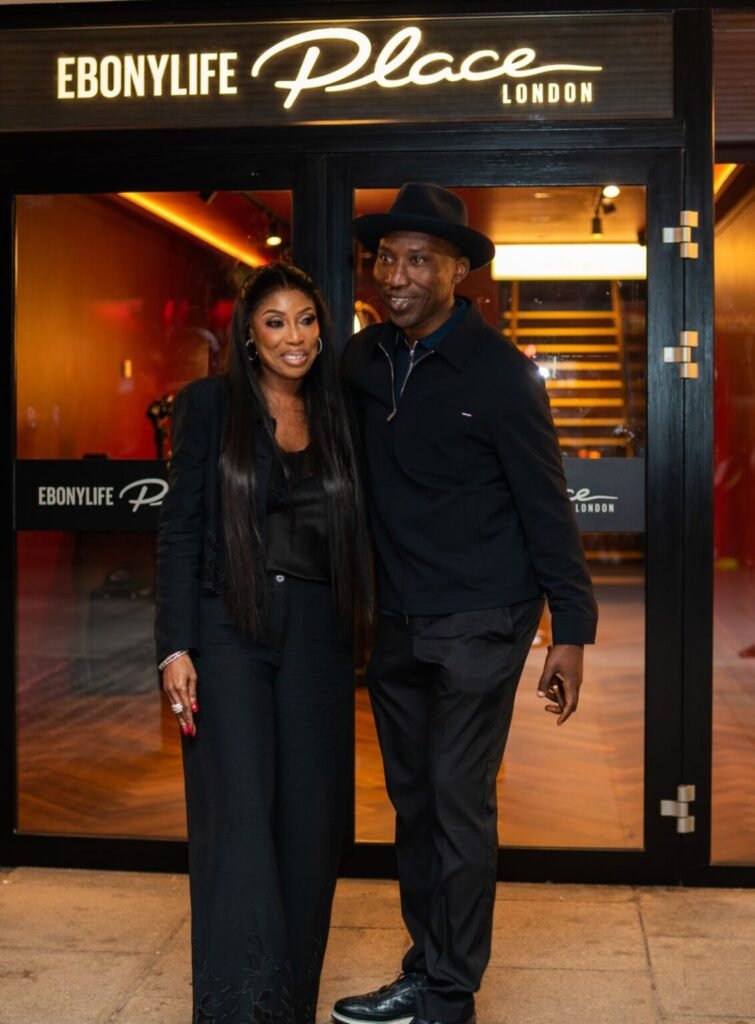
Mo’s vision was always bigger than four walls. She wanted a place. A place for stories. A place for African and Caribbean creativity. A place for community. And, perhaps most importantly, a place where the diaspora could see itself reflected without needing an explanation. That is what I hope people see when they walk through the doors today.
Not simply another London entertainment venue. Not simply another property transformation but a bridge between Lagos and London; between Africa, the Caribbean and the wider world; between the stories we have inherited and the stories we are now confident enough to tell ourselves. Property can create buildings. Vision creates places. And sometimes, a place can become a statement.
By Yemi Edun, London Property Consultant